Movement, Choice, and Flexibility: Designing for Workspaces
In today’s fast-paced world, it’s no secret office workers are looking for a respite from the traditional workspace with assigned seating. And there are three big buzzwords behind this trend: movement, choice, and flexibility. Forget about the old-school 9-to-5 grind and cubicle life. Nowadays, individuals and organizations want the freedom to move around, pick the perfect workspace for the task at hand, and enjoy the flexibility to work when and where it suits them. On-demand workspaces are like a breath of fresh air in the way we approach work, representing a paradigm shift in how we approach productivity and collaboration. Let’s dive into the intricate interplay of these three game-changing themes and see how they’re shaking up the world of work!
In this Article:
- Embracing the Dance of Movement
- The Power of Choice: Your Workspace, Your Rules
- Flexibility Unleashed: Redefining Work on Your Terms
- On-Demand Workspaces: The Future of Business

Embracing the Dance of Movement
Movement is a pivotal element in modern workplace design, backed by numerous studies that underscore its importance. Research has consistently shown that prolonged periods of sitting can have detrimental effects on both physical and mental well-being. A study published in the American Journal of Epidemiology, for instance, found that prolonged sitting is associated with an increased risk of chronic diseases, including cardiovascular issues and diabetes.
Encouraging movement within the workplace not only mitigates these health risks but also enhances employee productivity. A report by the International Journal of Workplace Health Management revealed that incorporating movement through activities like standing desks or walking meetings can result in increased employee engagement and overall job satisfaction. Incorporating infographics or gamification into spaces that encourage movement, like stairwells, increases participation by employees. Companies that prioritize movement in their workplace design often see reduced absenteeism and higher retention rates.
By recognizing the significance of movement, companies not only foster a healthier work environment but also reap tangible benefits in terms of employee well-being and organizational success. Office spaces offering choices in work environments, such as designated collaboration areas and quiet rooms or even decentralized break areas and garbage/recycling centers can encourage employees to walk and move throughout their day, combatting the negative effects of the long sit.

The Power of Choice: Your Workspace, Your Rules
Employee choice in workspaces is a critical factor in modern workplace design, reflecting a deep understanding of the diverse needs and preferences of today’s workforce. In today’s dynamic work environments, employees often require a range of workspaces to accommodate various tasks and work styles.
Formal workspaces provide a structured and focused setting for tasks that demand concentration, while informal spaces offer a more relaxed atmosphere for casual meetings or brainstorming sessions. The availability of focused spaces, such as soundproof booths or quiet corners, allows employees to escape distractions when necessary. Additionally, collaborative spaces foster teamwork and idea sharing.
Providing employees with a choice of workspaces requires a robust technological infrastructure to ensure a seamless and productive experience. Here are several types of technology that are important for supporting employees in such flexible workplace setups:
- Digital Reservation Systems: These systems allow employees to book specific workspaces, meeting rooms, or amenities in advance. They help prevent conflicts and ensure the desired spaces are available when needed.
- Smart Building Solutions: Utilizing Internet of Things (IoT) technology, smart building solutions enable employees to control lighting, temperature, and even desk height from their smartphones or other devices, optimizing their comfort in different workspaces.
- Collaboration Tools: With the rise of remote work and distributed teams, collaboration tools such as video conferencing platforms, instant messaging apps, and virtual whiteboards are essential for keeping employees connected and facilitating seamless communication regardless of where they choose to work.
- Mobile Apps: Mobile applications can provide employees with real-time information about workspace availability and wayfinding within the office, and even allow them to check into specific areas, helping to manage occupancy and capacity.
- Security and Access Control: Technologies like RFID badges or smartphone-based access control systems ensure employees can access the workspaces they’ve reserved securely while maintaining the company’s security standards.
- Wireless Connectivity: High-speed and reliable Wi-Fi networks are critical for employees who move between different workspaces. This ensures they can access company resources, collaborate with colleagues, and work efficiently.
- Cloud-based Storage and File Sharing: To support employees in accessing their work materials from various locations, cloud-based storage solutions like Dropbox, Google Drive, or OneDrive are indispensable.
- Work analytics Tools: Companies can use data analytics tools to gather insights into how employees use different workspaces. This data can inform decisions about optimizing workspace design and allocation.
- Augmented Reality (AR) and Virtual Reality (VR): In some cases, AR or VR technologies can be used for virtual meetings, training sessions, or even to provide guided tours of office spaces, particularly in hybrid or remote work scenarios.
- Wellness and Productivity Apps: Apps designed to help employees manage stress, maintain work-life balance, or improve productivity can be beneficial, especially when working in different environments.
- Employee Feedback Platforms: Using technology, companies can gather feedback from employees about their workspace experiences and use this data to continually improve the office environment.
When companies incorporate these diverse formal and informal workspace options and associated technologies, they empower employees to choose the environment best suiting their immediate needs, leading to increased job satisfaction and productivity. Moreover, businesses benefit from improved employee retention and enhanced creativity and innovation arising from a flexible and adaptable workspace. By affording employees the autonomy to choose their workspace, companies foster a culture of trust and empowerment, resulting in a more agile and thriving workforce.
Flexibility Unleashed: Redefining Work on Your Terms
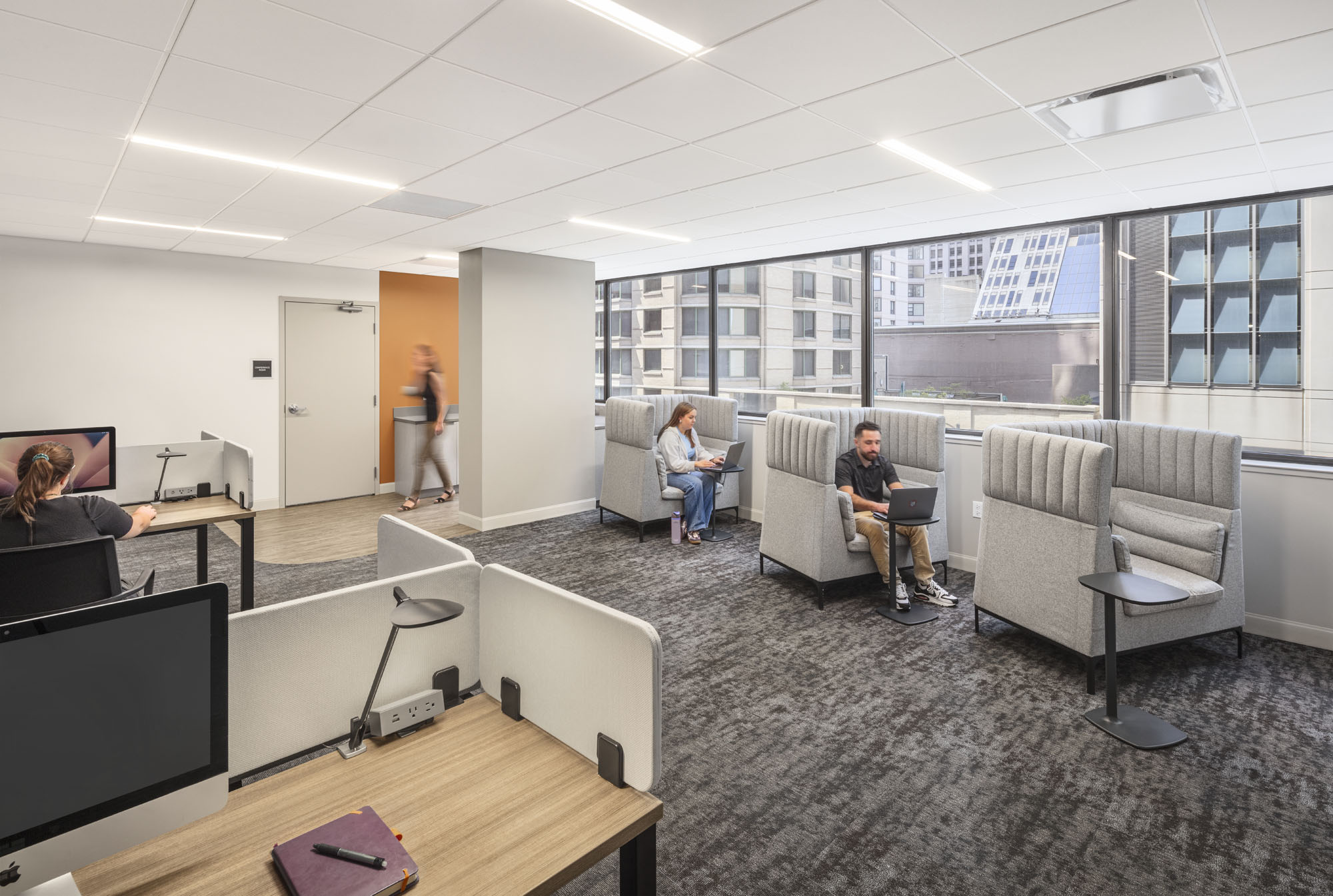
Flexibility has emerged as a cornerstone of modern workspace design, offering both companies and employees unprecedented freedom and agility. Flexibility empowers individuals to tailor their workspaces to their specific needs and preferences, transcending the confines of conventional 9-to-5 routines. There are many ways to incorporate flexibility into workspaces including hot desking, hoteling, and landing spots. Hot desking is an on-demand, first come/first serve workspace with a computer. Hoteling is a reservable workspace with a computer. Landing spots are first come/first serve work areas where the employee brings their computer.
Flexibility in workspaces is incredibly valuable for both companies and employees. For companies, this adaptability allows for quick changes in team setups, promoting collaboration across different departments and ensuring resources are used efficiently. It also makes it easier to expand or contract when necessary, which helps to keep costs in check. Additionally, it strengthens the organization’s ability to adapt to changes in the market and unexpected challenges.
Furthermore, employees benefit from a flexible workspace by having the freedom to choose environments that suit their tasks and work styles, resulting in increased job satisfaction and productivity. This approach acknowledges the diverse needs of the workforce, attracting top talent and promoting a more inclusive workplace. Ultimately, the synergy of these benefits drives innovation and competitiveness while creating a dynamic and accommodating work environment.

On-Demand Workspaces: The Future of Business
The rise of on-demand workspaces, centered around the key principles of movement, choice, and flexibility, reflects the changing landscape of work in our rapidly evolving world. The traditional 9-t0-5 office model is giving way to a more dynamic and adaptive approach to work where individuals and organizations have the freedom to tailor their work environments to their specific needs. This shift is not only redefining productivity and collaboration, but also ushering in a new era of work-life integration. It is clear on-demand workspaces are more than just a trend; they are a fundamental reimagining of how we approach work in the 21st century, offering opportunities for greater efficiency, satisfaction, and innovation.